Bike Helmet Safety with ECE 22.06


Bike Helmet Safety with ECE 22.06
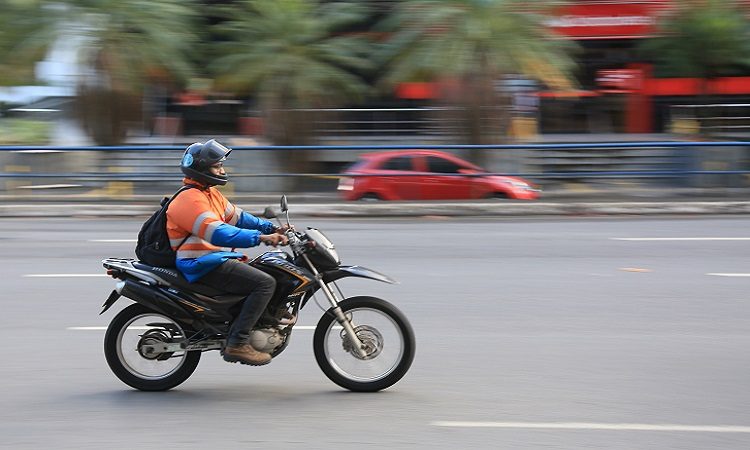
The helmet is the first and most important safety gear for bike riders. However, not all helmets offer the same level of protection from serious road accidents. This is why the updated ECE 22.06 standard has made a significant leap forward in the bike helmet safety technology, bringing stricter testing protocols and enhanced protection features that directly address real-world crash scenarios. As more manufacturers introduce ECE 22.06-certified helmets in India, understanding their purpose and safety upgrades is essential for making an informed decision.
What is ECE 22.06?
ECE 22.06 is the latest version of the Economic Commission for Europe’s helmet safety regulation. The update was introduced in 2020 (implemented in 2023), replacing the two-decade-old ECE 22.05 norm.
ECE 22.06 bike helmet safety standard introduces more comprehensive testing methods, rules and regulations that address realistic motorcycle crashes, like angled impacts and different speeds, to assess a helmet’s actual performance in an accident. It also accounts for the growing focus on helmet fit, durability and comfort.
Bike Helmet Safety with ECE 22.06
Accidents now involve complex forces that earlier bike helmet safety standards did not adequately address. Therefore, the primary purpose of the ECE 22.06 is to fill the gaps identified in previous testing protocols by incorporating oblique impact testing.
For more clarity, let’s go through the key changes in ECE 22.06 that improve riders’ safety:
Impact Velocity and Potential Damage
Helmets are now tested at different crash speeds based on impact location, taking into account the ability of various helmet parts to absorb and distribute impacts during an accident. This is done to minimise traumatic brain injuries.
Shell Penetration Resistance
ECE 22.06 advanced penetration testing checks if the helmet’s outer shell resists piercing by sharp objects, like stones, glass, and metal parts. This is performed at multiple shell points, ensuring consistent protection throughout the surface area.
Visor and Shell Integrity
This integrity testing ensures that the visor maintains clarity under various lighting conditions and stays attached during hard impacts. It also evaluates how materials respond to environmental stresses, such as hot summers and monsoon humidity, without becoming brittle or weak.
Better Internal Padding and Comfort
ECE 22.06 now mandates the helmet’s padding foam inside to spread crash forces across the head instead of concentrating them in one spot. The padding must also bounce back to its original shape after daily use, so that the helmets maintain protection throughout their lifetime.
Chemical and UV Resistance
The enhanced chemical resistance testing ensures the helmets maintain their shape, quality and structure when exposed to petrol spills, chain oil and cleaning products. The UV resistance testing checks how fast the helmets degrade over the years of outdoor use under direct sunlight.
Weight and Size Adjustability
Proper sizing is essential because loose or lightweight helmets can flip and slip off during accidents. The standard addresses the retention system effectiveness, mandating all manufacturers to provide exact sizing information and ensure the helmets aren’t necessarily heavy while maintaining strength.
Final Thoughts
Since helmets are tested for real-world crash scenarios, the ECE 22.06 safety standard can significantly reduce traumatic brain injuries during a crash. As per the Supreme Court of India, helmets are mandatory for both the rider and the pillion.
Pairing an ECE 22.06 certified helmet with a reliable comprehensive bike insurance will give 360-degree protection in case of an accident.
FAQs
1. Is ECE 22.06 certification mandatory in Indian helmets?
No, ECE 22.06 is not mandatory. While the legal requirement is ISI (BIS) certification, some latest models offer both for increased helmet safety.
2. Which is the first ECE 22.06 certified helmet in India? What’s the cost?
The Ignyte IGN-7, from one of the leading manufacturers, Steelbird, is India’s first made-in-India helmet with ECE 22.06 certification. It is triple certified (ISI, DOT, and ECE) and the price starts at ₹6,199.
3. Will my bike insurance claim be rejected if I wasn’t wearing a helmet during the accident?
Wearing a helmet is mandatory in India. While not wearing one may not always lead to a bike insurance claim rejection, it can complicate your case, especially if a third party is involved.
Disclaimer: The above information is for illustrative purposes only. For more details, please refer to the policy wordings and prospectus before concluding the sales.
RELATED ARTICLES
Guide to Purchase and Maintain Your Bike Helmet
5 Things to Look For in a Kids Bike Helmet


 Health Insurance
  Travel Insurance
  Car Insurance
  Cyber Insurance
  Critical Illness Insurance
 Pet Insurance
 Bike/Two Wheeler Insurance
  Home Insurance
  Third Party Vehicle Ins.
  Tractor Insurance
  Goods Carrying Vehicle Ins.
  Passenger Carrying Vehicle Ins.
  Compulsory Personal Accident Insurance
  Travel Insurance
  Rural
Rural